





AsI walked out of my house, the city felt emptier than it ever hadbefore. Maybe rainy days always feel this way—people pushing theirplans aside, waiting for the sun to return. But is it really soterrible to get caught in the soft drizzle?
I’monly a few steps away from my destination, with Mohammad Motamedi’ssong playing again. Along the way, I pass by two people with theirhats pulled low over their eyes and hands shielding their faces, asif the raindrops were something far heavier falling from the sky.They hurry past.
Whenthey cross the street, they glance over at me, my hands tucked intomy pockets, walking calmly as if I have all the time in the world.And in their minds, I can hear them think: ”Where is she going? Nouniversity. No classes. Not even a café with space for a girl.”
Iignore it and keep walking, Motamedi’s voice filling my ears: “Nowonly tears truly understand my sorrow…”
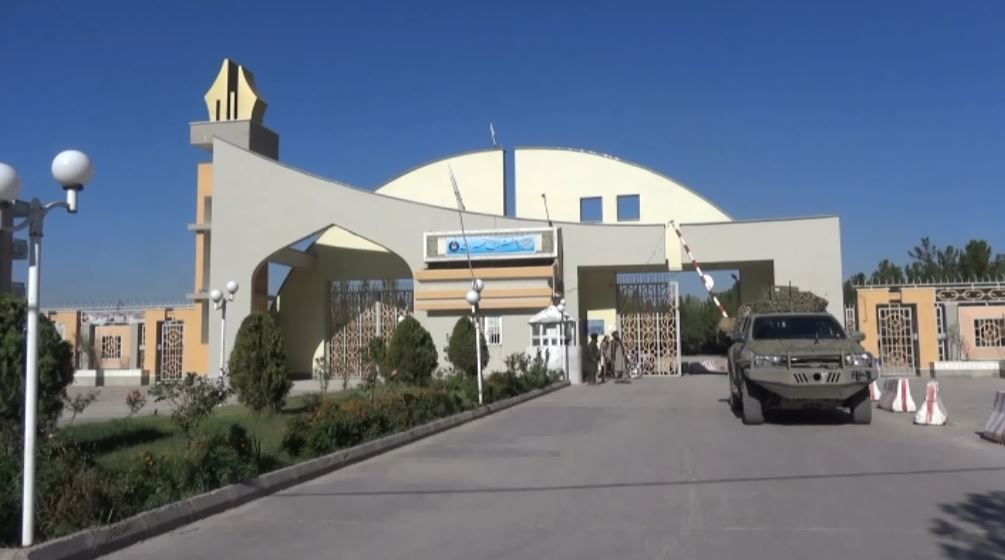
Iwalk down the last alley, each step heavier than the last. When Ifinally reach my destination, I lean against the damp wall, notcaring if my coat gets dirty. From here, I can see the universitygate. It feels like time has stopped. I shake my head, struggling tobelieve what I’m seeing. The sight pulls me back into a memory Ican’t escape. I close my eyes, and when I open them, it’s as ifI’ve been carried to another time and place—a time when dreamscame alive, and voices promised brighter days ahead.
Inmy hand is a book on the foundations of the visual arts, and in theother, a flask of iced water with a few fresh lime slices—preparedby my mother to keep me cool.
Ilift my head and feel the sunlight on my face. Jamila and Zahra aresmiling beside me, looking at their photos, criticizing their shots.They glance at me, saying something I can’t quite catch, whilepointing to the alley behind us.
It’sfull of students, walking toward the university. They must bepointing at Niloofar, who’s weaving through the crowd to join us.Everyone is smiling—even Niloofar, despite being late. A contentsmile lingers on my lips.
Then,I hear it:
“Whatare you doing here, girl?”
Araindrop hits my face. I open my eyes, and suddenly, everythingfades—the books, my friends, even the sunlight. Standing in frontof me is a man with a rifle slung over his shoulder, his voice fullof anger:
“Can’t you hear me? What are you doing here? Whatare you checking?”
Iturn and walk away, retracing my steps, heading back toward home.
Hestays where he is, still shouting questions I can’t hear anymore.
“Whatare you doing here?”
Iwish I could answer him, but I know better than to engage.
Iwish I could say: “I was checking the dream that was stolen from uson August 15, 2021. I was trying to make sense of the way we woke upone day and found our rights erased. Our right to education. Ourfuture. I was mourning the loss of everything we fought for.”
Therain keeps falling, but now, I can’t tell if the wetness on my faceis from the rain—or the tears I can’t stop shedding.
Yes,dear reader, this is Afghanistan—the only place where women aredenied the right to dream, to learn, and to build their future.
